
Healthy Boundaries in Relationships: The Key to Lasting Connection

Healthy relationships are built on trust, respect, communication, and mutual understanding. However, one essential ingredient is often overlooked—healthy boundaries in relationships.
Many people mistakenly believe that boundaries create distance between partners, friends, or family members. In reality, healthy boundaries strengthen relationships by creating clarity, respect, and emotional safety. Without boundaries, relationships can become overwhelmed by resentment, miscommunication, emotional exhaustion, and unhealthy expectations.
Whether you're navigating a romantic relationship, friendship, family connection, or professional relationship, learning how to establish healthy boundaries can improve your emotional well-being and create stronger, more fulfilling connections.
In this guide, we'll explore why healthy boundaries matter, the different types of boundaries, and practical ways to create healthier relationships while maintaining your sense of self.
What Are Healthy Boundaries in Relationships?
Healthy boundaries are the limits and expectations we establish to protect our emotional, mental, physical, and personal well-being.
Boundaries help define:
What behavior is acceptable
How we want to be treated
What we are comfortable with
How we communicate our needs
How we protect our time and energy
Contrary to popular belief, boundaries are not about controlling others. They are about taking responsibility for your own well-being and communicating your needs clearly.
Why Healthy Boundaries Are Essential for Strong Relationships

Relationships thrive when both individuals feel respected and understood.
Without boundaries, people often experience:
Emotional burnout
Resentment
Frustration
Miscommunication
Loss of identity
Unhealthy dependency
Healthy boundaries create a foundation for trust and mutual respect.
Benefits of Healthy Boundaries
Improved communication
Greater emotional safety
Increased trust
Better conflict resolution
Stronger self-respect
Healthier relationship dynamics
When boundaries are respected, relationships become more balanced and sustainable.
Understanding Relationship Boundaries
Relationship boundaries are the guidelines that help individuals maintain their personal identity while building meaningful connections with others.
Healthy relationships involve both connection and individuality.
Relationship boundaries help ensure that neither person loses themselves in the relationship.
Examples of Relationship Boundaries
Respecting personal time
Honoring privacy
Communicating needs openly
Maintaining individual interests
Respecting personal values
Managing expectations
Strong relationship boundaries create healthier and more fulfilling connections.
Emotional Boundaries: Protecting Your Emotional Well-Being
Emotional boundaries are especially important because they protect your emotional health and prevent unhealthy emotional dynamics.
Many people struggle with emotional boundaries because they feel responsible for managing other people's emotions.
Signs of Weak Emotional Boundaries
Feeling responsible for other people's happiness
Absorbing others' stress or negativity
Struggling to say no
Constantly seeking approval
Feeling guilty for prioritizing yourself
Examples of Healthy Emotional Boundaries
Recognizing that others are responsible for their emotions
Saying no without guilt
Expressing your feelings honestly
Protecting your emotional energy
Limiting exposure to toxic behavior
Strong emotional boundaries help reduce stress and improve emotional wellness.
Why Personal Boundaries in Relationships Matter
Many people enter relationships with the belief that love requires sacrificing their needs.
While compromise is important, losing your sense of self is not healthy.
Personal boundaries in relationships help individuals maintain:
Independence
Self-respect
Personal goals
Individual identity
Emotional well-being
Healthy relationships support both connection and individuality.
Examples of Personal Boundaries
Maintaining hobbies and interests
Setting limits on personal time
Protecting career goals
Prioritizing self-care
Respecting personal values
Personal boundaries help create balanced and healthy relationships.
The Connection Between Boundaries and Self-Worth
Many people struggle with boundaries because of low self-esteem or fear of disappointing others.
This is why boundaries and self-worth are closely connected.
When you believe your needs matter, it becomes easier to communicate them confidently.
Signs of Healthy Self-Worth
Feeling comfortable saying no
Respecting your own needs
Making decisions confidently
Setting limits without excessive guilt
Prioritizing emotional well-being
The stronger your self-worth becomes, the easier it becomes to establish healthy boundaries.
Common Boundary Challenges in Relationships
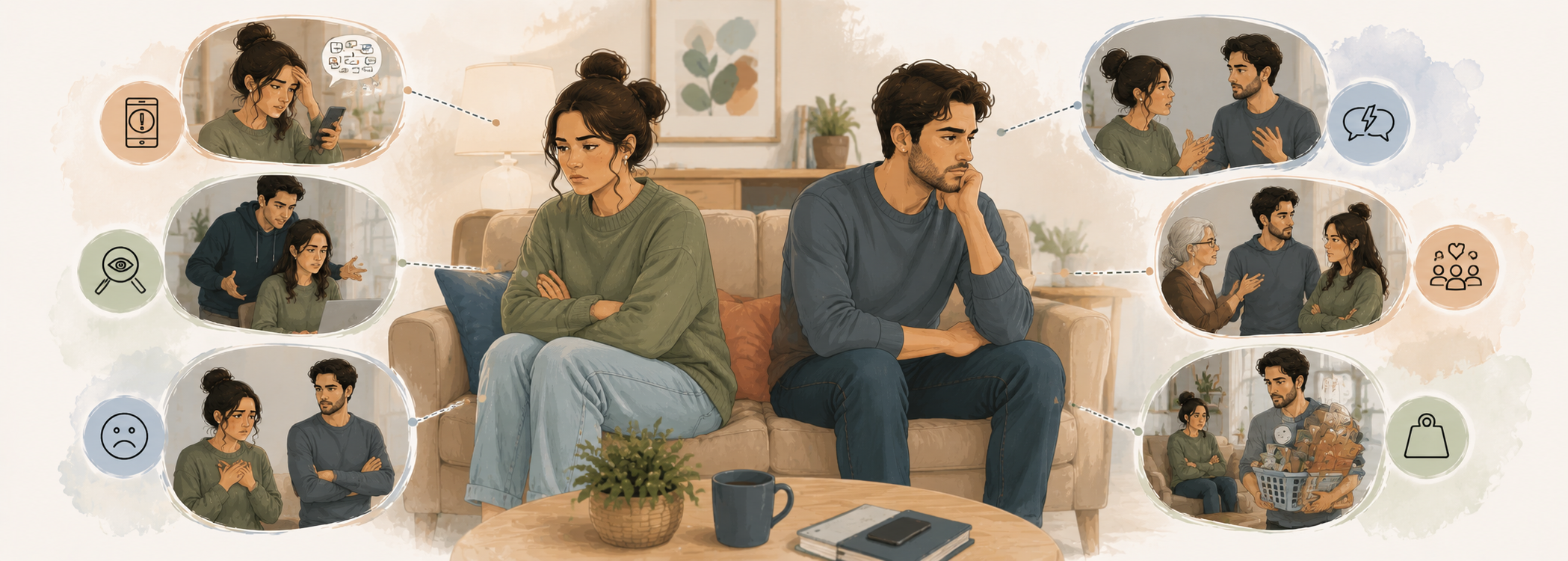
Many individuals know boundaries are important but struggle to implement them consistently.
Fear of Rejection
Some people worry that setting boundaries will cause conflict or push others away.
In reality, healthy relationships respect reasonable boundaries.
People-Pleasing Tendencies
People-pleasers often prioritize others' needs while neglecting their own.
This can lead to resentment and emotional exhaustion.
Fear of Conflict
Many individuals avoid boundaries because they dislike confrontation.
However, avoiding difficult conversations often creates larger problems over time.
Low Self-Confidence
People who struggle with self-worth may feel uncomfortable expressing their needs.
Building confidence can make boundary-setting easier.
How to Set Healthy Boundaries in Relationships
Learning to establish boundaries is a skill that improves with practice.
1. Identify Your Needs
Ask yourself:
What makes me feel respected?
What behaviors make me uncomfortable?
What do I need to feel emotionally safe?
What situations drain my energy?
Understanding your needs is the first step.
2. Communicate Clearly
Healthy boundaries require clear communication.
Use direct and respectful language when expressing your needs.
Examples include:
"I need some time to recharge."
"I'm not comfortable discussing that."
"I need more notice before making plans."
Clarity reduces misunderstandings.
3. Be Consistent
Boundaries are most effective when applied consistently.
Inconsistent boundaries often create confusion and frustration.
4. Accept That Not Everyone Will Agree
Some people may resist boundaries, especially if they benefited from your lack of them.
Their reaction does not mean your boundary is wrong.
Healthy relationships adapt and grow through respectful communication.
How Healthy Boundaries Improve Communication
Strong communication and healthy boundaries work together.
When individuals feel safe expressing their needs, communication becomes more open and productive.
Benefits include:
Fewer misunderstandings
Reduced resentment
Better conflict resolution
Increased trust
Stronger emotional connection
Healthy communication is often one of the biggest outcomes of effective boundary-setting.
Signs of Healthy Boundaries in a Relationship

You may have healthy boundaries if:
You feel comfortable expressing your needs
Both people respect each other's time and energy
Disagreements can happen without fear
Individual interests are encouraged
Emotional responsibility is shared appropriately
Personal values are respected
These qualities contribute to lasting and meaningful connections.
Frequently Asked Questions About Healthy Boundaries in Relationships
Are boundaries selfish?
No. Healthy boundaries protect emotional well-being and help create stronger, healthier relationships.
What if someone doesn't respect my boundaries?
Consistently ignored boundaries may indicate an unhealthy relationship dynamic that needs to be addressed.
Can boundaries improve communication?
Yes. Boundaries create clarity, reduce misunderstandings, and encourage honest conversations.
How do boundaries support self-worth?
Setting boundaries reinforces the belief that your needs, feelings, and well-being matter.
Final Thoughts
Healthy boundaries in relationships are not barriers to connection—they are the foundation of lasting connection.
By establishing relationship boundaries, protecting emotional boundaries, maintaining personal boundaries in relationships, and strengthening self-worth, individuals can create healthier and more fulfilling relationships.
The strongest relationships are not built on sacrifice and self-neglect. They are built on mutual respect, trust, communication, and healthy boundaries.
When you learn to honor your needs while respecting others, deeper and more meaningful connections become possible.
Strengthen Your Boundaries with Relationship Essentials
At Relationship Essentials, we believe healthy relationships begin with healthy boundaries, strong communication, and self-awareness.
If you're working on setting boundaries, rebuilding self-worth, improving communication skills, or recovering from unhealthy relationship patterns, our supportive online groups can help.
Join our upcoming Meet & Greet to learn more about our:
Boundaries & Self-Worth Group
Communication Skills Group
Narcissistic Abuse Recovery Group
Our groups provide a supportive environment where you can learn practical relationship skills, build confidence, and create healthier connections in every area of life.
You don't have to navigate relationship growth alone. Support, guidance, and meaningful change are possible when you have the right community beside you.
Healthy relationships start with a healthy relationship with yourself. Taking time to understand who you are can help you build stronger, more balanced connections with others. We recommend our Solo Dates Journal for anyone looking to build healthier, more fulfilling relationships through greater self-awareness and personal growth.
Explore our full collection of journals and self-growth resources to find the tools that best support your healing and personal development journey, Click here.