
How to Set Healthy Boundaries Without Feeling Guilty

Setting boundaries is one of the most important skills you can develop for healthy relationships, emotional well-being, and personal growth. Yet for many people, the idea of saying "no," expressing their needs, or protecting their time feels uncomfortable. Instead of feeling empowered, they often feel guilty.
If you've ever worried about disappointing someone, feared being seen as selfish, or struggled to put your own needs first, you're not alone. Many people find boundary-setting difficult, especially if they have spent years prioritizing others over themselves.
The truth is that healthy boundaries are not selfish. They are essential for maintaining emotional balance, building healthy relationships, and protecting your mental well-being.
In this guide, we'll explore how to set healthy boundaries without feeling guilty and why boundaries are one of the greatest acts of self-respect.
What Are Healthy Boundaries?
Healthy boundaries are the limits and expectations we establish to protect our emotional, mental, physical, and personal well-being.
Boundaries help define:
What behavior is acceptable
How we want to be treated
What we are comfortable with
How we manage our time and energy
How we communicate our needs
Boundaries are not about controlling other people. They are about taking responsibility for your own well-being and communicating your limits clearly.
Why So Many People Struggle with Boundaries

Many individuals know boundaries are important but still struggle to enforce them.
Common reasons include:
Fear of rejection
Fear of conflict
People-pleasing habits
Low self-esteem
Desire to keep everyone happy
Fear of appearing selfish
These fears often lead people to ignore their own needs while focusing on the needs of others.
Over time, this can create stress, resentment, and emotional exhaustion.
The Connection Between Boundaries and Emotional Well-Being
Strong emotional boundaries help protect your mental and emotional health.
Without boundaries, people often experience:
Burnout
Anxiety
Resentment
Overwhelm
Emotional exhaustion
Relationship stress
Healthy boundaries create space for self-care, emotional balance, and healthier relationships.
When you protect your energy, you are better able to show up authentically for the people you care about.
Why Boundary Guilt Happens
Many people experience guilt when they begin setting boundaries.
This guilt often comes from long-standing beliefs such as:
My needs should come last.
Saying no is rude.
I should always help others.
Good people don't disappoint others.
Conflict should be avoided at all costs.
The reality is that these beliefs often lead to unhealthy relationship patterns.
Boundary guilt is usually a sign that you're doing something new—not something wrong.
Understanding Emotional Boundaries
Emotional boundaries help protect your emotional energy and prevent you from taking responsibility for other people's feelings.
Many people struggle because they believe they are responsible for making everyone around them happy.
Signs of Weak Emotional Boundaries
Feeling responsible for others' emotions
Constantly seeking approval
Saying yes when you want to say no
Feeling guilty for taking care of yourself
Absorbing other people's stress
Signs of Healthy Emotional Boundaries
Respecting your own needs
Expressing your feelings honestly
Recognizing that others are responsible for their emotions
Saying no without excessive guilt
Protecting your emotional energy
Strong emotional boundaries improve confidence and emotional wellness.
Why Relationship Boundaries Matter
Healthy relationship boundaries help create respect, trust, and emotional safety.
Contrary to popular belief, boundaries do not push people away.
They actually strengthen relationships by creating clarity and reducing resentment.
Benefits of Relationship Boundaries
Better communication
Greater trust
Reduced conflict
Increased self-respect
Healthier expectations
Stronger emotional connection
Relationships thrive when both people feel respected and understood.
Step 1: Give Yourself Permission to Have Needs
One of the most important mindset shifts is recognizing that your needs matter.
Many people struggle with boundaries because they believe prioritizing themselves is selfish.
The truth is:
Your time matters.
Your energy matters.
Your feelings matter.
Your well-being matters.
You cannot build healthy relationships while consistently ignoring your own needs.
Step 2: Identify Areas Where You Need Better Boundaries
Before setting boundaries, it helps to identify where they are needed.
Ask yourself:
What situations leave me feeling drained?
Where do I feel resentful?
What behaviors make me uncomfortable?
When do I feel pressured to say yes?
Your answers often reveal where stronger personal boundaries are needed.
Step 3: Start with Small Boundaries
Many people think they need to make dramatic changes immediately.
In reality, small boundaries often create the biggest long-term results.
Examples of Small Boundaries
Taking time before responding to requests
Saying "I can't commit to that right now"
Protecting personal time
Turning off work notifications after hours
Declining invitations when you need rest
Small successes build confidence and make larger boundaries easier.
Setting Boundaries Without Guilt
One of the most common concerns people have is how to set boundaries without guilt.
The key is understanding that guilt does not automatically mean you are doing something wrong.
Helpful Reminders
Saying no does not make you selfish.
Boundaries protect relationships.
You are not responsible for everyone else's happiness.
Discomfort is part of growth.
Healthy people respect healthy boundaries.
The more you practice boundary-setting, the less guilt you are likely to experience.
Step 4: Communicate Clearly and Respectfully
Healthy boundaries require clear communication.
You do not need lengthy explanations or apologies.
Examples of Boundary Statements
"I'm not available for that."
"I need some time for myself this weekend."
"I'm not comfortable discussing that."
"I appreciate the invitation, but I'll have to pass."
"I need time to think about that decision."
Simple and respectful communication is often the most effective.
Step 5: Stop Over-Explaining
Many people feel compelled to justify every boundary.
This often happens because they fear judgment or rejection.
However, excessive explanations can weaken confidence and invite unnecessary debate.
A simple response is usually enough.
Remember:
"No" is a complete sentence.
How Personal Boundaries Support Self-Worth
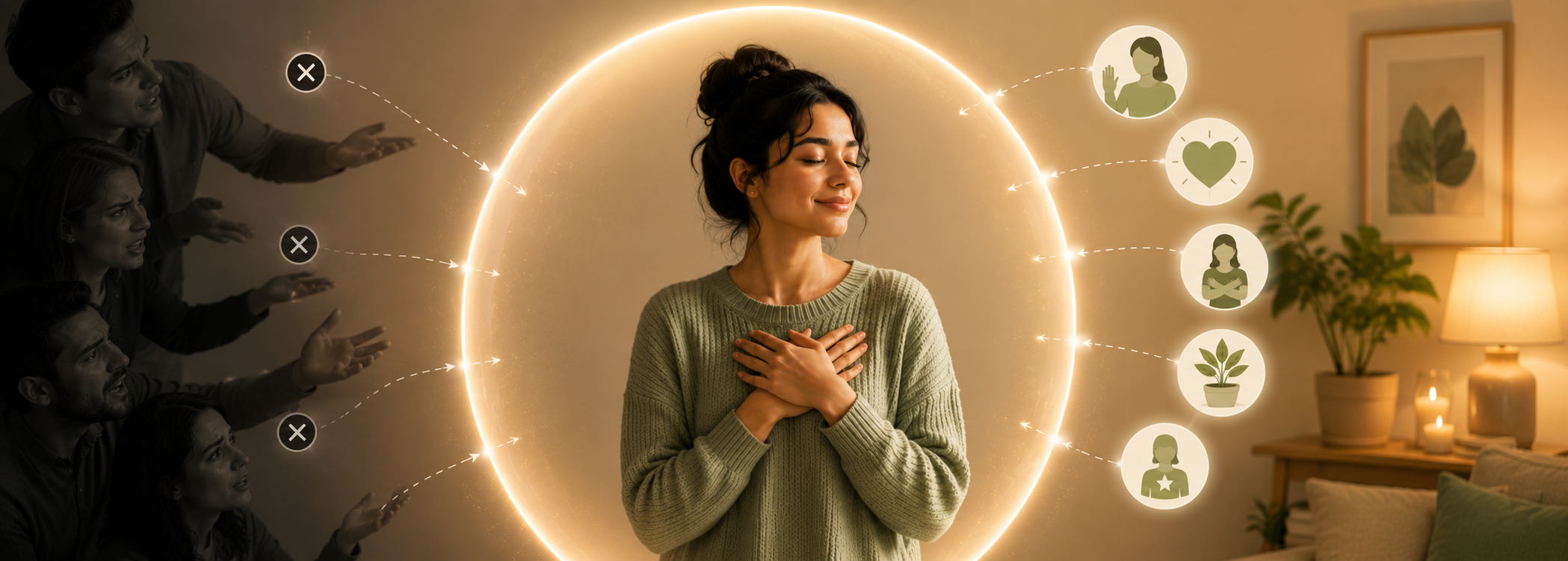
Boundaries and self-worth are closely connected.
Every time you honor your needs, you reinforce the belief that you matter.
Signs of Growing Self-Worth
Greater confidence
Improved decision-making
Less people-pleasing
Stronger communication
Reduced resentment
Increased emotional balance
The more you respect yourself, the easier it becomes to establish healthy boundaries.
Common Reactions When You Start Setting Boundaries
Not everyone will immediately welcome your new boundaries.
Some people may:
Push back
Express disappointment
Question your decisions
Attempt to make you feel guilty
This does not mean your boundaries are wrong.
In many cases, people simply need time to adjust to a healthier dynamic.
Healthy relationships eventually adapt to healthy boundaries.
Signs You Are Setting Healthy Boundaries
You may be developing healthier boundaries if:
You say no more comfortably
You feel less resentful
You prioritize self-care
You communicate needs more clearly
You feel more emotionally balanced
You respect your own limits
These are positive signs of growth and self-respect.
Frequently Asked Questions About Healthy Boundaries
Is setting boundaries selfish?
No. Healthy boundaries protect emotional well-being and create stronger relationships.
Why do I feel guilty when setting boundaries?
Boundary guilt is often the result of conditioning, people-pleasing habits, or fear of disappointing others.
How can I stop feeling guilty?
Practice self-compassion, remind yourself that your needs matter, and remember that discomfort does not mean you're doing something wrong.
Can boundaries improve relationships?
Absolutely. Healthy boundaries increase trust, communication, respect, and emotional safety.
Final Thoughts
Learning how to set healthy boundaries without feeling guilty is one of the most valuable gifts you can give yourself.
Boundaries are not walls that keep people out. They are guidelines that create healthier, more respectful relationships.
When you strengthen your emotional boundaries, relationship boundaries, and personal boundaries, you create space for greater self-respect, emotional wellness, and authentic connection.
The more you honor your needs, the stronger and healthier your relationships become.
Strengthen Your Boundaries with Relationship Essentials
At Relationship Essentials, we believe that healthy relationships begin with healthy boundaries, strong communication, and self-worth.
If you're learning to set boundaries without guilt, improve relationship skills, or strengthen your confidence, our supportive online groups can help.
Join our upcoming Meet & Greet to learn more about our:
Boundaries & Self-Worth Group
Communication Skills Group
Narcissistic Abuse Recovery Group
Our groups provide a supportive environment where you can practice healthy relationship skills, build confidence, and create stronger emotional boundaries.
You don't have to navigate personal growth alone. Support, healing, and healthier relationships are possible when you have the right community beside you.
When you have a strong relationship with yourself, setting boundaries becomes less about guilt and more about honoring your needs and protecting your peace. We recommend our Solo Dates Journal for anyone working to set healthier boundaries and build greater confidence in their relationships.
Explore our full collection of journals and self-growth resources to find the tools that best support your healing and personal development journey, Click here.