

Narcissistic Abuse Recovery
Rebuilding Your Relationship With Yourself
If you’ve experienced narcissistic abuse, the impact doesn’t end when the relationship ends. You may find yourself questioning your reality, doubting your instincts, struggling to trust yourself, and feeling disconnected from who you once were. The emotional and psychological effects of narcissistic abuse can quietly shape how you think, feel, and show up in every area of your life.
This work is not just about understanding what happened to you. It is about rebuilding you.

What Is Narcissistic Abuse?
Understanding Narcissistic Abuse
Narcissistic abuse is a form of emotional and psychological harm that often involves patterns such as:
Chronic invalidation
Gaslighting (being made to question your reality)
Emotional manipulation and control
Lack of accountability from the other person
Cycles of idealization and devaluation
Feeling unseen, unheard, or emotionally unsafe
Over time, these experiences can deeply impact your identity, self-worth, and ability to trust yourself.
How Narcissistic Abuse Affects You
Many individuals who have experienced narcissistic abuse struggle with:
Loss of identity or sense of self
Chronic self-doubt and overthinking
Difficulty trusting their judgment
People-pleasing and fear of conflict
Emotional exhaustion and anxiety
Confusion about what is “real” or valid
Difficulty setting and maintaining boundaries
Even after the relationship ends, these patterns often remain.
That is where the real work begins.

Our Approach: Rebuilding the Relationship With Yourself
Recovery is not just about processing the abuse—it is about transforming how you relate to yourself moving forward.
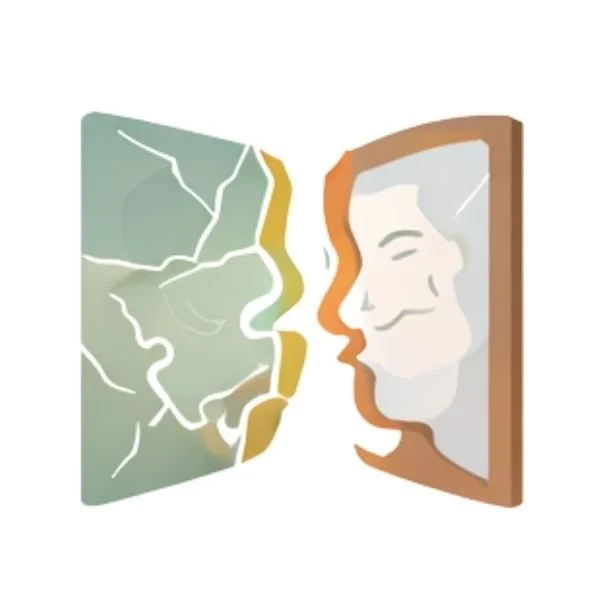
1. Restoring Your Sense of Self
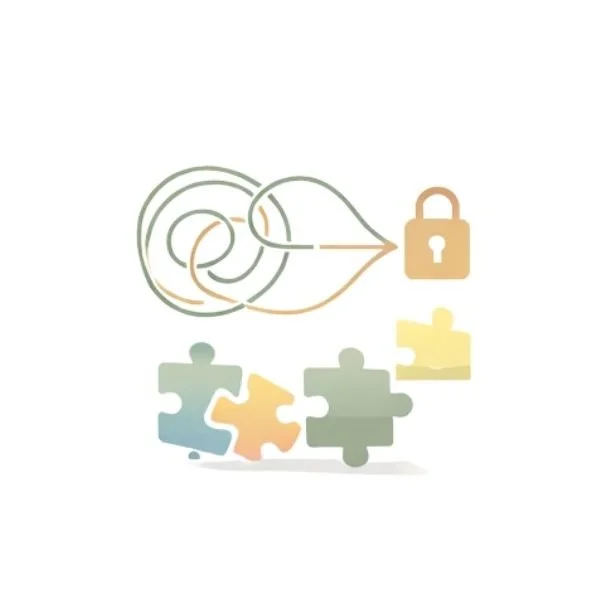
4. Identifying and Changing Patterns

2. Strengthening Emotional Awareness and Regulation
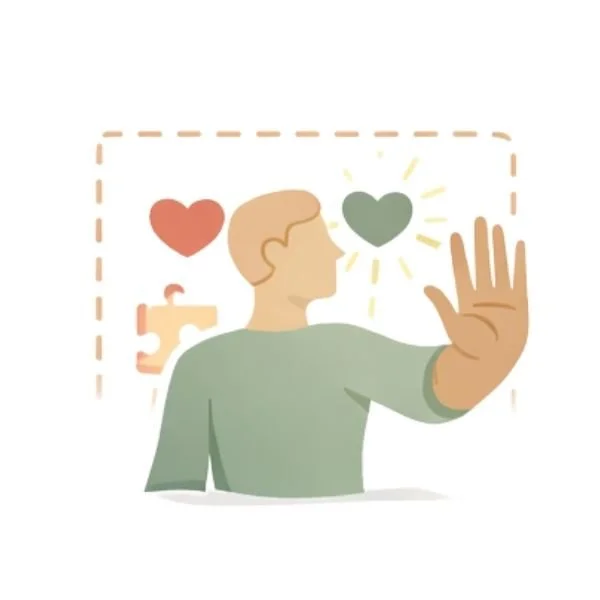
5. Developing Healthy Boundaries

3. Rebuilding Self-Trust

6. Improving Interpersonal Skills
This Work Is For You If…
You feel like you’ve “lost yourself” in a relationship
You question your thoughts, feelings, or memories
You struggle with setting boundaries, guilt, or people-pleasing,
You find yourself You want to feel more confident, grounded, and clear
You are ready to focus on your growth, not just your past
What Makes This Approach Different
This is not just about labeling someone else as a narcissist.
This is about helping you:
Understand how the experience impacted you
Rebuild your internal foundation
Develop the skills needed to create healthier relationships
Move forward with clarity, confidence, and intention
The goal is not just healing.
The goal is transformation.
Narcissistic Abuse Individual Therapy

In addition to understanding your experiences, individual therapy provides a focused and personalized space to support your healing and growth.
These sessions are designed to help you:
Process the emotional impact of your experiences
Rebuild your identity and self-worth
Strengthen your relationship with yourself
Develop the tools needed for long-term change
Individual therapy allows you to work at your own pace, explore your experiences in depth, and receive guidance tailored to your unique journey.
Narcissistic Abuse Recovery Groups

We offer structured, clinically-informed recovery group programs for those recovering from narcissistic relationships of any kind.
These groups provide a space for:
Connect with others who have had similar experiences
Reduce feelings of isolation and self-doubt
Gain clarity around narcissistic patterns and their impact
Strengthen your sense of self in a supportive environment
Practice healthier ways of thinking, communicating, and setting boundaries
Group work can be especially powerful because it allows you to see that you are not alone—and that your experiences are valid.
These groups are focused not only on understanding narcissistic abuse, but on helping you actively rebuild your relationship with yourself.
Start Rebuilding Yourself
You do not have to stay stuck in the patterns that were created in that relationship.
You can learn to trust yourself again, reconnect with who you are.
You can build a healthier, stronger foundation moving forward.
[Schedule a Consultation]
If you’re ready to focus on rebuilding yourself after narcissistic abuse, we can begin that work together.