
How to Know Yourself Better: A Simple Guide to Self-Discovery and Emotional Growth
Understanding yourself is one of the most important steps toward building a healthy and fulfilling life. Yet, many people spend years trying to understand others while ignoring their own thoughts, emotions, and needs.
If you often feel confused about your decisions, struggle in relationships, or feel disconnected from yourself, it may be a sign that you need to know yourself better.
Self-discovery is not about changing who you are. It is about becoming aware of your true self — your values, emotions, patterns, and inner voice.
In this guide, you will learn simple and practical ways to understand yourself better and build a stronger relationship with yourself.

Why Is It Important to Know Yourself Better?
Before learning how to know yourself better, it is important to understand why it matters.
When you have strong self-awareness:
You make better and more confident decisions
You set clear and healthy boundaries
You communicate your needs more effectively
You build deeper and more meaningful relationships
On the other hand, when you lack self-awareness, you may:
Feel lost or unsure about your life direction
Repeat the same mistakes, especially in relationships
Depend on others for validation
Feel emotionally overwhelmed without understanding why
Knowing yourself gives you clarity, confidence, and emotional stability.

Signs You Don’t Know Yourself Well
Many people are not fully aware that they lack self-understanding. Here are some common signs:
1. You Feel Unsure and Confused About What You Want For Yourself
You struggle to make decisions or often change your mind because you are not clear about your needs and desires.
2. You Seek Constant Validation
You rely on others to feel good about yourself instead of feeling secure within yourself.
3. You Repeat the Same Patterns
You find yourself in similar situations again and again, especially in relationships.
4. You Feel Emotionally Overwhelmed
You feel as if you are drowning in your emotions, but don’t fully understand where they are coming from.
Recognizing these signs is the first step toward self-discovery.
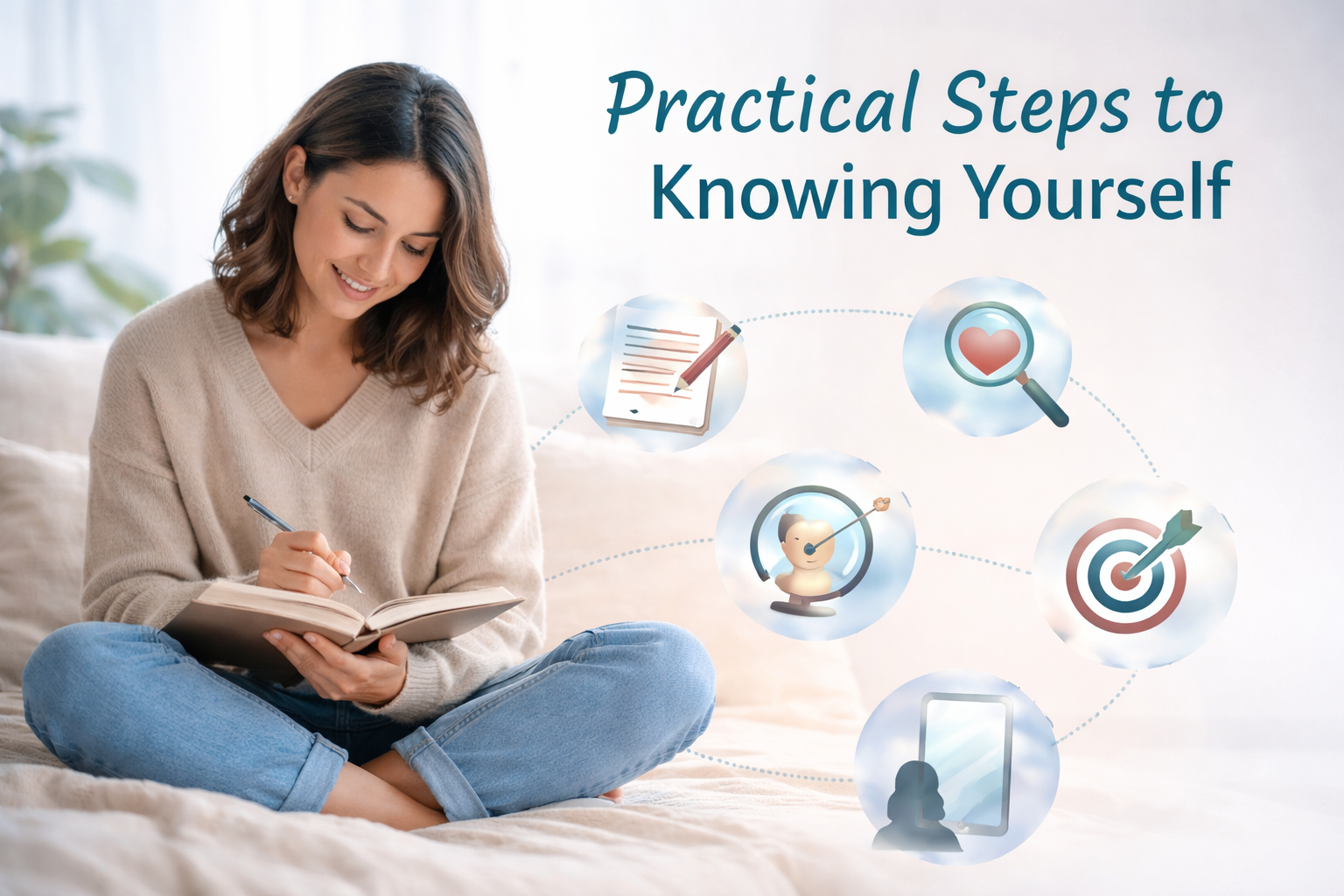
Practicle Steps to Knowing Yourself
Self-discovery is a journey that takes time, patience, and intentionality. Here are some simple steps to help you connect with yourself on a deeper level.
1. Spend Time Alone with Yourself
In today’s fast-paced world, we rarely sit quietly with our thoughts.
Set aside 10–15 minutes daily to be alone without distractions like your phone or social media. This helps you become more aware of your inner thoughts and feelings.
2. Start Journaling Your Thoughts
Writing is one of the most powerful ways to understand yourself.
You can write about:
Your daily emotions
Situations that affected you
Your fears, goals, and thoughts
Over time, journaling helps you identify patterns and gain clarity about your behavior.
3. Understand Your Emotions
Instead of reacting immediately, stop and pause; put space between your emotions and your reaction/response. In that space, ask yourself:
What am I feeling right now?
Why do I feel this way?
This practice helps you build emotional awareness and respond more calmly in difficult situations.
4. Identify Your Core Values
Your values shape your decisions and your life.
Ask yourself:
What truly matters to me?
What kind of person do I want to become?
When your actions align with your values, you feel more satisfied and at peace.
5. Reflect on Your Past Experiences
Your past experiences play a big role in shaping who you are.
Think about:
Important life events
Past relationships
Challenges you have faced
Instead of judging yourself, try to understand what you learned from those experiences.
6. Notice Your Patterns
Pay attention to your repeated behaviors and reactions.
Ask yourself:
Do I avoid difficult conversations?
Do I attract similar types of people?
Do I react strongly in certain situations?
Understanding your patterns helps you break unhealthy habits and grow.
7. Ask for Honest Feedback
Sometimes, others can see things that we cannot.
Ask trusted people in your life:
How do you see me?
What are my strengths and weaknesses?
Be open to feedback and use it as a tool for self-improvement, not self-criticism.
8. Practice Self-Acceptance
Knowing yourself is not just about discovering your strengths, but also accepting your flaws.
You don’t have to be perfect to grow. The more you accept yourself, the easier it becomes to improve.
Self-acceptance builds confidence and inner peace.
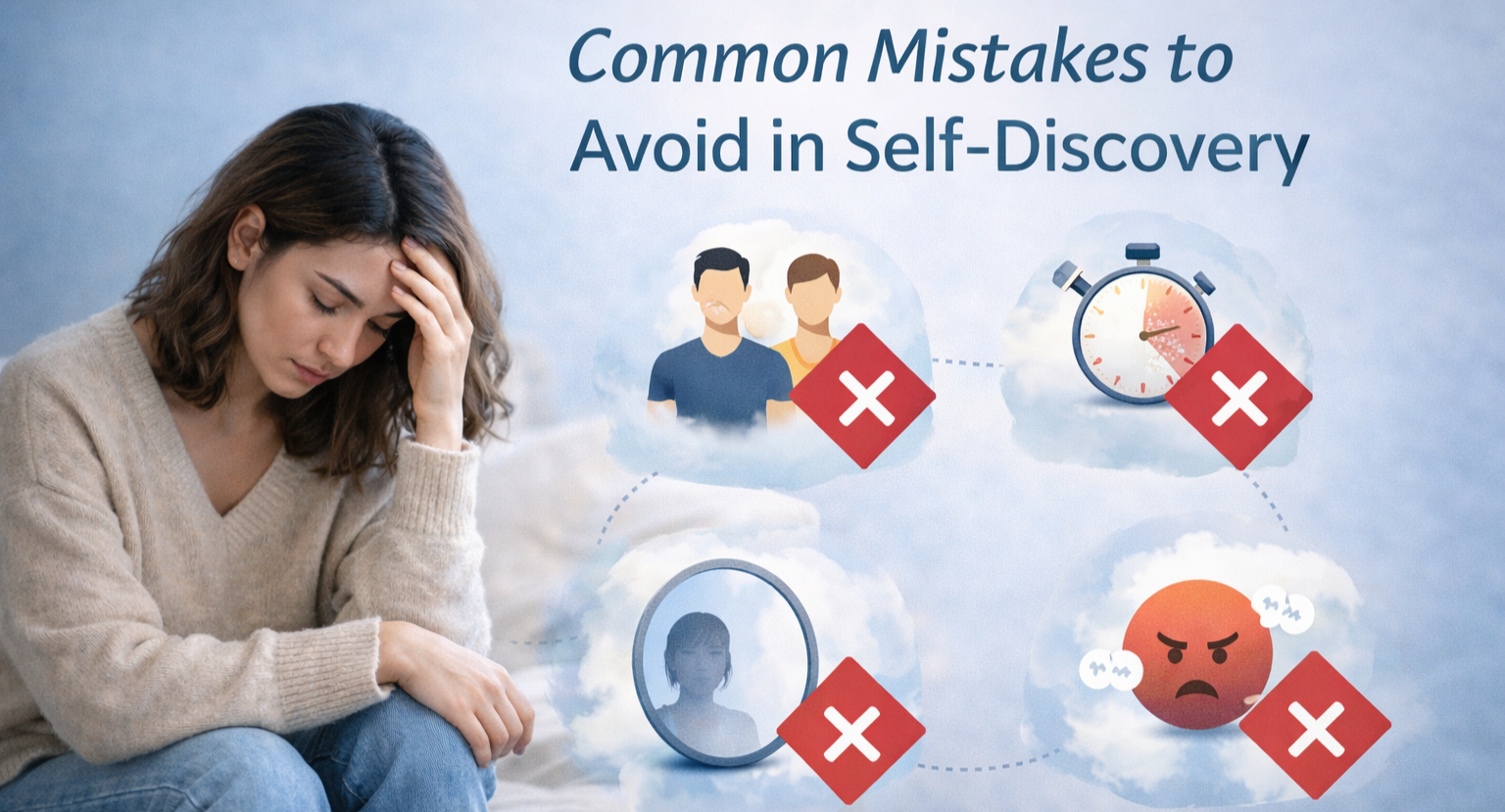
Common Mistakes to Avoid in Self-Discovery
While trying to know yourself better, avoid these common mistakes:
Comparing yourself to others – Everyone’s journey is different
Being too self-critical – Growth comes from understanding, not judgment
Expecting quick results – Self-awareness takes time
Ignoring your emotions – Your feelings are important signals
Be patient with yourself during this process.
Final Thoughts
Getting to know yourself better is one of the most powerful things you can do for your life and for your relationships.
When you understand yourself, you:
Build healthier relationships
Make better decisions
Feel more confident and emotionally balanced
Building a better relationship with yourself is a continuous journey, not a destination. The more you invest in understanding yourself, the stronger and more fulfilled you become.
Ready to strengthen your relationship with yourself?
Self-discovery happens through intentional reflection and small consistent steps. If you're ready to better understand your thoughts, values, and emotional patterns, start creating space for yourself today.
Take the next step in your journey with our Weekly Gratitude Journal — a guided tool designed to help you reconnect with what matters most, deepen self-awareness, and build a stronger foundation within yourself.
Explore our full collection of journals and self-growth resources to find the tools that best support your healing and personal development journey, Click here.