
What is a Narcissistic Person?

What Is Narcissistic Personality Disorder?
A narcissistic person may be diagnosed with Narcissistic Personality Disorder. This personality style, whether or not it meets criteria for a clinical disorder, can significantly shape the dynamic of any relationship. The interaction often becomes centered around one person’s needs, perspective, and sense of control, rather than mutual connection. It is a pattern of thinking and behavior characterized by
an inflated sense of self-importance
a strong need for admiration, and difficulty empathizing with others
These Individuals may struggle with
confidence, and often rely heavily on external validation to maintain their sense of self-worth
accepting criticism
managing conflict, maintaining healthy and balanced relationships
Interactions in these relationships can feel one-sided, with a tendency toward control, defensiveness, or emotional invalidation. Underneath these patterns, there is often a fragile sense of identity and underlying insecurity.
Common Traits of a Narcissistic Personality Disorder

Let’s understand these traits in more detail so you can recognize them clearly.
1. Lack of Empathy
One of the strongest signs of a narcissistic person is a lack of empathy.
This means they struggle to understand or care about what others are feeling.
For example:
If you share your problems, they may ignore or dismiss them
They may not offer emotional support
They may make everything about themselves
This can make relationships feel very one-sided and emotionally exhausting.
2. Constant Need for Attention
A narcissistic person often wants to be the center of attention at all times.
They may:
Seek compliments frequently
Talk mostly about their own life
Interrupt others to bring focus back to themselves
If they are not getting attention, they may feel uncomfortable or even frustrated. This need for validation comes from a deeper desire to feel important.
3. Sense of Superiority
They often believe they are better, smarter, or more important than others.
This can appear as:
Looking down on people
Acting arrogant or entitled
Believing rules do not apply to them
Even if they don’t say it directly, their behavior often shows this mindset.
4. Manipulative Behavior
Narcissistic individuals may use manipulation to control situations or people.
This can include:
Making you feel guilty for their mistakes
Twisting situations to avoid blame
Playing the victim to gain sympathy
Over time, this can create confusion and make you question your own reality.
5. Difficulty Accepting Criticism
Even small criticism can trigger strong reactions.
They may:
Get angry or defensive
Deny their mistakes
Blame others instead
This happens because criticism challenges their self-image, which they try to protect at all costs.
6. Lack of Accountability
A narcissistic person rarely takes responsibility for their actions.
Instead, they:
Blame others for problems
Make excuses
Avoid admitting they are wrong
This makes it difficult to resolve conflicts or build a healthy relationship.
7. Focus on Image and Appearance
They often care a lot about how others see them.
They may:
Try to maintain a perfect image
Seek approval from society
Hide their flaws
Their focus is more on appearance than on genuine connection.
How Narcissistic Behavior Affects Relationships
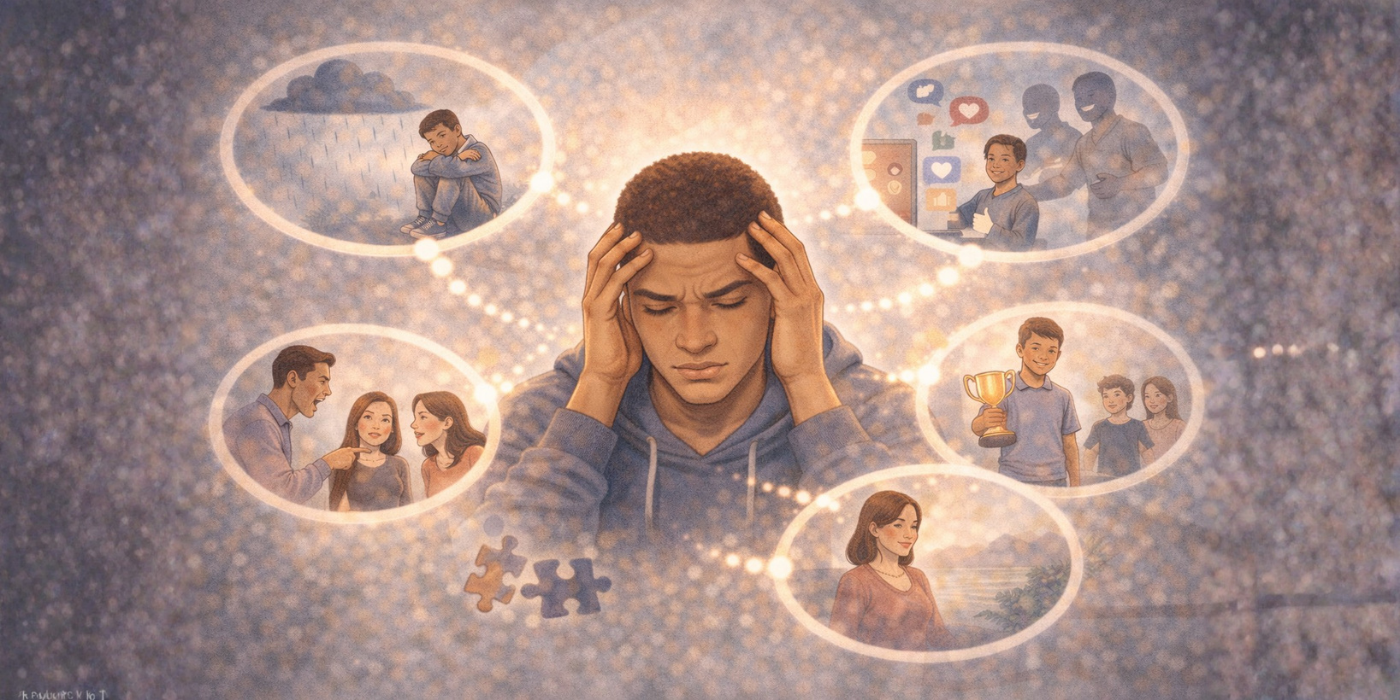
A narcissistic pattern disrupts the foundation of any relationship because it centers the dynamic around one person’s needs, perspective, and emotional comfort. Over time, the relationship becomes unbalanced, leaving little room for mutual respect, reciprocity, or emotional safety
1. Lack of emotional reciprocity:
The relationship often feels one-sided, with one person giving significantly more while the other prioritizes their own needs, recognition, and control.
2. Chronic invalidation:
Thoughts, feelings, and experiences are dismissed, minimized, or reframed, making it difficult for the other person to feel heard or understood.
3. Control and power dynamics:
Decision-making, communication, and even emotional expression may be subtly or overtly controlled, leaving the other person feeling restricted or powerless.
4. Unstable communication patterns:
Conversations may shift quickly from connection to defensiveness, blame, or deflection, making productive dialogue difficult.
5. Erosion of trust:
Manipulation, inconsistency, or lack of accountability can lead to confusion and a breakdown in trust over time.
6. Emotional unpredictability:
The relationship may feel unstable, with periods of idealization followed by criticism, withdrawal, or detachment.
7. Suppression of the other person’s identity:
The non-narcissistic individual may begin to shrink themselves, silence their needs, or adapt excessively to maintain peace.
8. Difficulty resolving conflict:
Conflict often remains unresolved because responsibility is deflected, and genuine repair is limited.
Whether the relationship is romantic, familial, or platonic, the long-term impact is typically the same: the relationship becomes emotionally imbalanced, psychologically draining, and centered around maintaining the narcissistic individual’s sense of control and self-image.
How to Deal With a Narcissistic Person
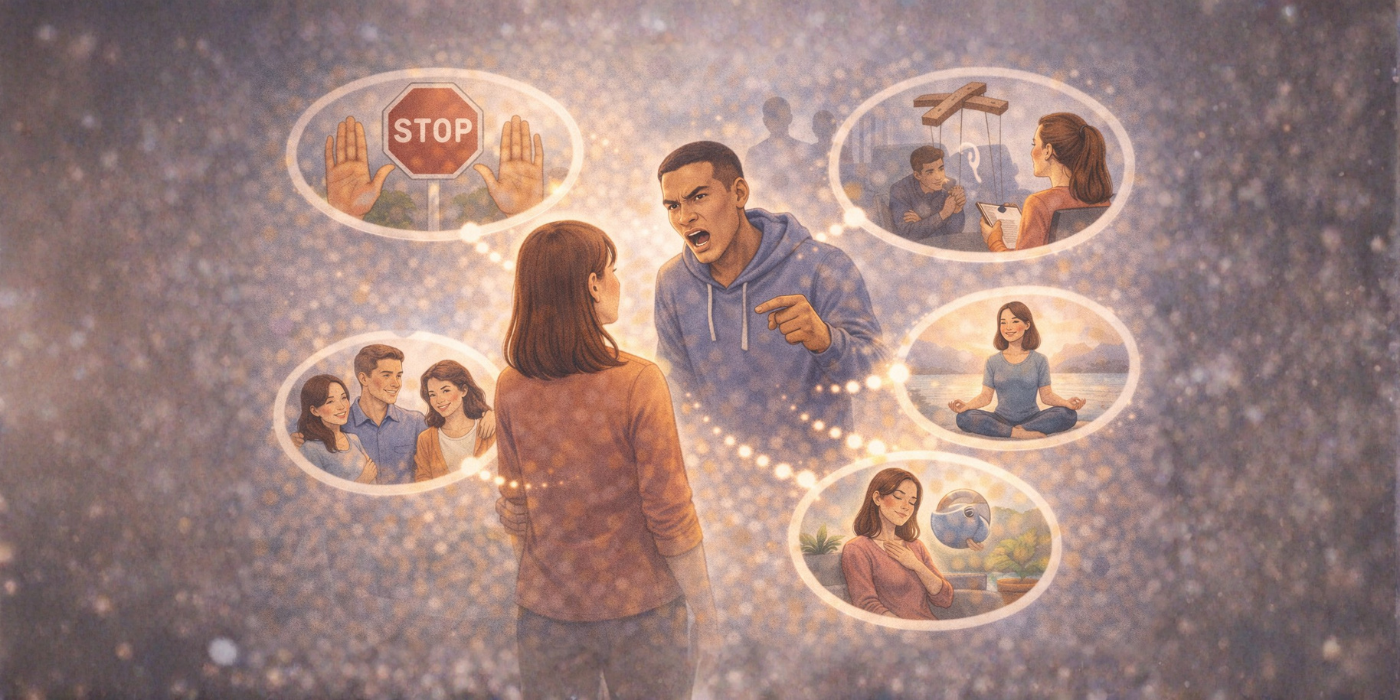
You may not be able to change them, but you can protect yourself.
1. Set Clear Boundaries
Decide what behavior you will accept.
Be clear and firm. For example:
“I will not tolerate disrespect.”
Boundaries protect your emotional space.
2. Avoid Emotional Arguments
Narcissistic people may try to pull you into arguments.
Stay calm and avoid reacting emotionally. This reduces conflict.
3. Don’t Depend on Them Emotionally
They may not provide the emotional support you need.
Focus on:
Your self-worth
Supportive relationships
4. Stay Aware of Manipulation
Be mindful of guilt-tripping or blame-shifting.
Trust your feelings and observations.
5. Focus on Your Wellbeing
Take care of your mental and emotional health.
Spend time with people who support and respect you.
6. Seek Professional Support
If the relationship becomes too stressful, consider talking to a therapist or coach.
Getting help is a strong and positive step.
Final Thoughts
Understanding what is a narcissistic person helps you recognize unhealthy patterns and helps you protect yourself.
Not everyone with difficult behavior is a narcissist, but being aware of these traits helps you make better decisions in relationships.
Remember, your emotional well-being matters. Focus on building self-awareness, setting boundaries, and creating healthier connections in your life.
Start your healing journey today.
We recommend our 7-Day Narcissistic Abuse Recovery Reset Journal as a supportive tool for anyone working to heal from emotionally unhealthy relationship patterns and reconnect with themselves. This guided journal is designed to help you process emotions, rebuild self-trust, strengthen boundaries, and begin your healing journey with intention and self-compassion.
