
Narcissistic Abuse Recovery: 9 Steps to Rebuild Your Life
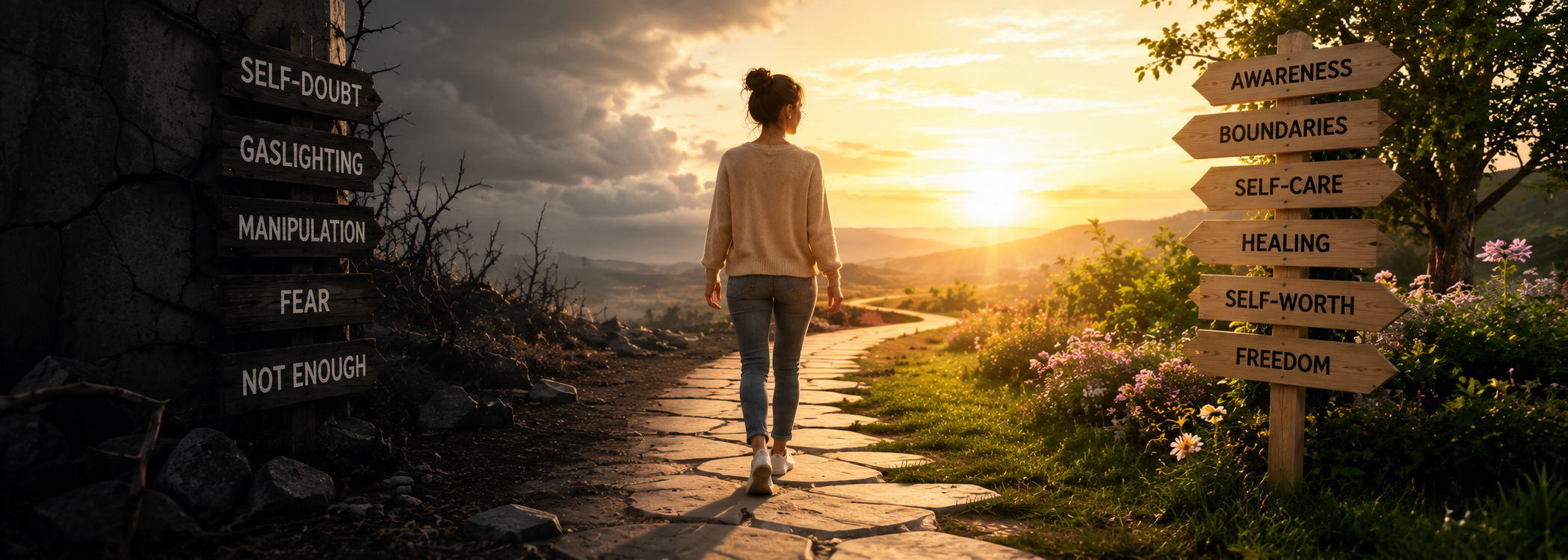
Recovering from narcissistic abuse can feel like one of the most challenging journeys a person will ever face. The emotional manipulation, gaslighting, criticism, control, and confusion often leave lasting wounds that affect self-esteem, relationships, and overall well-being.
Many survivors find themselves questioning their reality, doubting their worth, and struggling to trust others—or even themselves. The good news is that narcissistic abuse recovery is possible. While healing takes time, support, and intentional effort, countless individuals have successfully rebuilt their lives and rediscovered their confidence, peace, and sense of self.
In this guide, we'll explore nine essential steps that can help you move forward on your healing journey and begin creating a healthier, more fulfilling future.
What Is Narcissistic Abuse?
Narcissistic abuse is a pattern of emotional and psychological manipulation often used by individuals with narcissistic traits. It can occur in romantic relationships, family dynamics, friendships, and even workplace environments.
Common signs of narcissistic abuse include:
Gaslighting
Emotional manipulation
Constant criticism
Blame-shifting
Control tactics
Love bombing followed by devaluation
Lack of empathy
Emotional invalidation
Over time, these behaviors can damage a person's confidence, self-worth, and emotional stability.

Understanding the Impact of Narcissistic Abuse
Before healing can begin, it's important to understand the effects of narcissistic abuse.
Many survivors experience:
Anxiety and depression
Low self-esteem
Difficulty trusting others
Emotional exhaustion
People-pleasing behaviors
Fear of conflict
Relationship challenges
Feelings of shame and guilt
Recognizing these effects is an important first step toward emotional abuse recovery.
Step 1: Acknowledge What Happened
Healing begins with acknowledging the reality of the abuse.
Many survivors spend months or even years questioning whether their experiences were "bad enough" to be considered abuse.
One of the most powerful steps in narcissistic abuse healing is accepting that the emotional manipulation and harm were real.
Acknowledgment allows you to stop minimizing your experiences and begin focusing on recovery.
Step 2: Educate Yourself About Narcissistic Abuse
Knowledge can be incredibly empowering.
Learning about narcissistic behaviors, trauma responses, and manipulation tactics can help survivors understand that many of their reactions are normal responses to unhealthy treatment.
Understanding concepts such as:
Gaslighting
Trauma bonding
Emotional manipulation
Intermittent reinforcement
can reduce confusion and help survivors regain clarity.
Step 3: Focus on Trauma Bond Recovery
One of the most difficult aspects of healing from narcissistic abuse is breaking the trauma bond.
A trauma bond is an emotional attachment that develops through cycles of affection, manipulation, and emotional pain.
Signs of a Trauma Bond
Missing the person despite the harm they caused
Constantly hoping they will change
Feeling responsible for their behavior
Difficulty leaving the relationship
Returning repeatedly despite being hurt
Trauma bond recovery involves recognizing unhealthy attachment patterns and learning to prioritize your emotional well-being.
Step 4: Rebuild Your Self-Worth
Narcissistic abuse often damages self-esteem.
Many survivors leave relationships believing they are not good enough, lovable, or worthy of respect.
Rebuilding self-worth requires intentional effort.
Ways to Strengthen Self-Worth
Practice self-compassion
Celebrate small wins
Set healthy boundaries
Challenge negative self-talk
Focus on personal strengths
Spend time with supportive people
Remember that your value does not depend on another person's opinion of you.
Step 5: Establish Healthy Boundaries
Boundaries are one of the most important tools in emotional abuse recovery.
Healthy boundaries help protect your emotional well-being and prevent future unhealthy relationship patterns.
Examples of Healthy Boundaries
Saying no without guilt
Limiting contact with toxic individuals
Communicating needs clearly
Protecting your time and energy
Refusing to tolerate disrespect
Learning to establish boundaries can feel uncomfortable at first, especially for survivors who have been conditioned to prioritize others' needs over their own.
However, boundaries are essential for long-term healing.
Step 6: Allow Yourself to Grieve
Many people focus on ending the relationship but overlook the grief that follows.
Healing from narcissistic abuse often involves grieving:
The relationship you hoped for
The future you imagined
Lost time and energy
Broken trust
Emotional pain
Grief is a natural part of recovery.
Allowing yourself to process these emotions can help you move forward with greater clarity and acceptance.
Step 7: Prioritize Emotional Healing
Emotional healing requires patience and consistency.
There is no timeline for recovery, and every person's journey is unique.
Healthy Practices for Emotional Healing
Journaling
Mindfulness and meditation
Therapy or counseling
Support groups
Physical activity
Self-care routines
Personal development activities
These practices can help individuals reconnect with themselves and build emotional resilience.
Step 8: Relearn Healthy Relationship Patterns
Many survivors struggle to recognize healthy relationships after experiencing narcissistic abuse.
Healing involves learning what respectful, supportive, and emotionally healthy relationships look like.
Healthy Relationship Characteristics
Mutual respect
Honest communication
Emotional safety
Accountability
Trust
Healthy boundaries
Shared responsibility
Understanding these qualities can help prevent future unhealthy relationship dynamics.
Step 9: Seek Support and Community
One of the biggest mistakes survivors make is trying to heal alone.
Support plays a critical role in narcissistic abuse recovery.
Connecting with others who understand your experiences can provide:
Validation
Encouragement
Accountability
Emotional support
Hope
Many individuals find that joining support groups accelerates healing and reduces feelings of isolation.

Common Challenges During Narcissistic Abuse Recovery
Self-Doubt
Years of manipulation can make survivors question their thoughts, emotions, and decisions.
Loneliness
Leaving a toxic relationship often creates a temporary sense of loneliness, even when the relationship was unhealthy.
Fear of Future Relationships
Many survivors worry about repeating past mistakes.
Healing and self-awareness can help rebuild confidence and trust.
Emotional Triggers
Certain situations, people, or memories may trigger emotional responses.
Learning healthy coping strategies can help manage these triggers more effectively.
Frequently Asked Questions About Narcissistic Abuse Recovery
How long does narcissistic abuse recovery take?
Recovery timelines vary. Healing depends on factors such as the length of the relationship, support systems, and individual circumstances.
Can emotional abuse have long-term effects?
Yes. Emotional abuse can impact self-esteem, relationships, trust, and emotional well-being. However, healing is absolutely possible.
What is trauma bond recovery?
Trauma bond recovery involves breaking unhealthy emotional attachments formed through cycles of manipulation and emotional dependency.
Can support groups help with healing from narcissistic abuse?
Absolutely. Support groups provide validation, community, encouragement, and practical guidance for recovery.
Final Thoughts
Narcissistic abuse recovery is not simply about moving on from a difficult relationship. It's about rebuilding your confidence, reclaiming your identity, and creating a life that reflects your worth and values.
While the journey may feel challenging at times, every step toward healing is a step toward freedom, self-respect, and emotional wellness.
You deserve relationships built on trust, respect, and genuine care.
Continue Your Healing Journey with Relationship Essentials
If you're working through the effects of narcissistic abuse, you don't have to navigate recovery alone.
At Relationship Essentials, we provide supportive spaces where individuals can heal, grow, and reconnect with themselves in a safe and understanding environment.
Join our upcoming Meet & Greet to learn more about our:
Narcissistic Abuse Recovery Group
Communication Skills Group
Boundaries & Self-Worth Group
Our Narcissistic Abuse Recovery Group is designed to help participants understand trauma bonds, rebuild self-worth, establish healthy boundaries, and move forward with confidence.
Healing is possible—and the right support can make all the difference.
We recommend our Solo Dates Journal for anyone taking the next steps toward healing after narcissistic abuse. Through guided reflection prompts and self-discovery exercises, this journal helps you rebuild self-trust, reconnect with your values, strengthen your confidence, and create a healthier relationship with yourself as you move forward.
You can also explore our full collection of journals and wellness resources to find the tools that best support your healing, self-discovery, and personal growth journey, Click here.
