
How to Build a Healthy Relationship With Yourself

The most important relationship you will ever have is the one you have with yourself. Yet, many people focus so much on others that they forget to build a strong and healthy relationship with yourself.
If you struggle with self-doubt, negative thoughts, or constantly seek validation from others, it may be a sign that your connection with yourself needs attention.
Building a healthy relationship with yourself is not about being perfect. It is about understanding, accepting, and supporting yourself in a kind and honest way.
In this blog, you will learn why this relationship matters and how you can start improving it step by step.
Why Is Your Relationship With Yourself Important?
Your relationship with yourself affects every area of your life.
When you have a healthy relationship with yourself:
You feel more confident and secure
You make better decisions
You set clear boundaries
You build healthier relationships with others
On the other hand, when this relationship is weak:
You depend on others for validation
You tolerate unhealthy behavior
You struggle with self-worth
You feel emotionally unstable
The way you treat yourself sets the standard for how others treat you.

Signs You Have an Unhealthy Relationship With Yourself
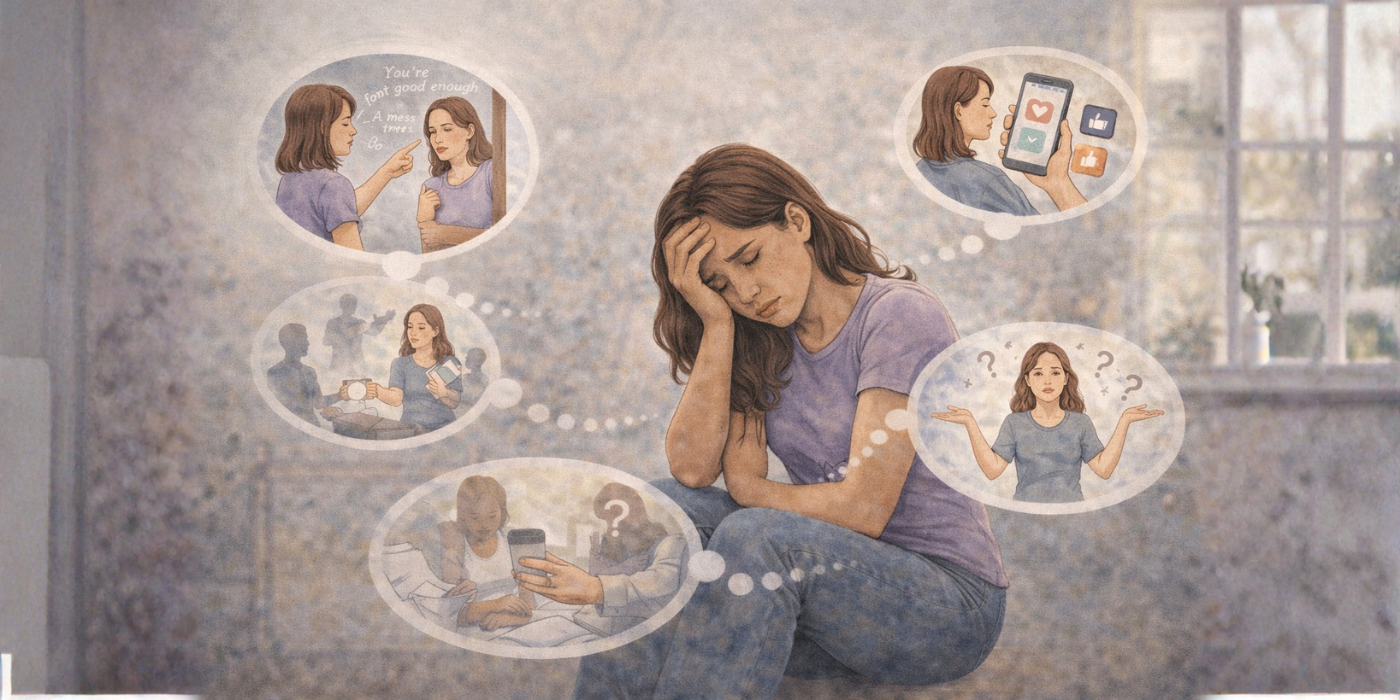
Before improving your relationship with yourself, it is important to recognize the signs of imbalance.
1. You Constantly Criticize Yourself
You focus more on your flaws than your strengths.
2. You Seek Validation from Others
You rely on others to feel good about yourself.
3. You Ignore Your Needs
You prioritize others while neglecting your own emotional and physical needs.
4. You Struggle to Set Boundaries
You find it difficult to say no or stand up for yourself.
5. You Feel Disconnected from Yourself
You are unsure about your feelings, goals, or values.
Recognizing these signs is the first step toward change.
How to Build a Healthy Relationship With Yourself
Building a strong relationship with yourself takes time, but small consistent steps can create powerful changes.
1. Practice Self-Awareness
Start by understanding your thoughts, emotions, and behaviors.
Ask yourself:
What am I feeling right now?
Why am I reacting this way?
Self-awareness helps you connect with your inner self and make better decisions.
2. Be Kind to Yourself
Treat yourself with the same kindness and understanding that you offer others.
Instead of harsh self-criticism, remind yourself:
I am learning
I am growing
I am allowed to make mistakes
Self-compassion builds emotional strength.
3. Set Healthy Boundaries
A healthy relationship with yourself includes protecting your time, energy, and emotional wellbeing.
Learn to:
Say no when needed
Avoid toxic situations
Communicate your limits clearly
Boundaries show that you respect yourself.
4. Spend Time Alone with Yourself
Being alone is not loneliness. It is an opportunity to connect with yourself.
Use this time to:
Reflect on your thoughts
Understand your emotions
Do things you enjoy
This strengthens your self-connection.
5. Take Care of Your Needs
Your needs matter.
Make sure you are taking care of:
Your physical health
Your emotional wellbeing
Your mental peace
When you prioritize yourself, you feel more balanced and fulfilled.
6. Challenge Negative Thoughts
Pay attention to your inner dialogue.
If you notice negative thoughts like:
“I am not good enough”
“I always fail”
Challenge them with:
Is this really true?
What is the evidence?
Replacing negative thoughts with balanced thinking improves self-esteem.
7. Build Positive Habits
Your daily habits shape your relationship with yourself.
Start with small habits like:
Journaling
Exercise
Reading
Mindfulness
These habits improve your mental and emotional health over time.
8. Accept Yourself Fully
A healthy relationship with yourself comes from acceptance.
You don’t need to be perfect to love yourself.
Accept:
Your strengths
Your weaknesses
Your past
Self-acceptance brings inner peace and confidence.
Benefits of a Healthy Relationship With Yourself
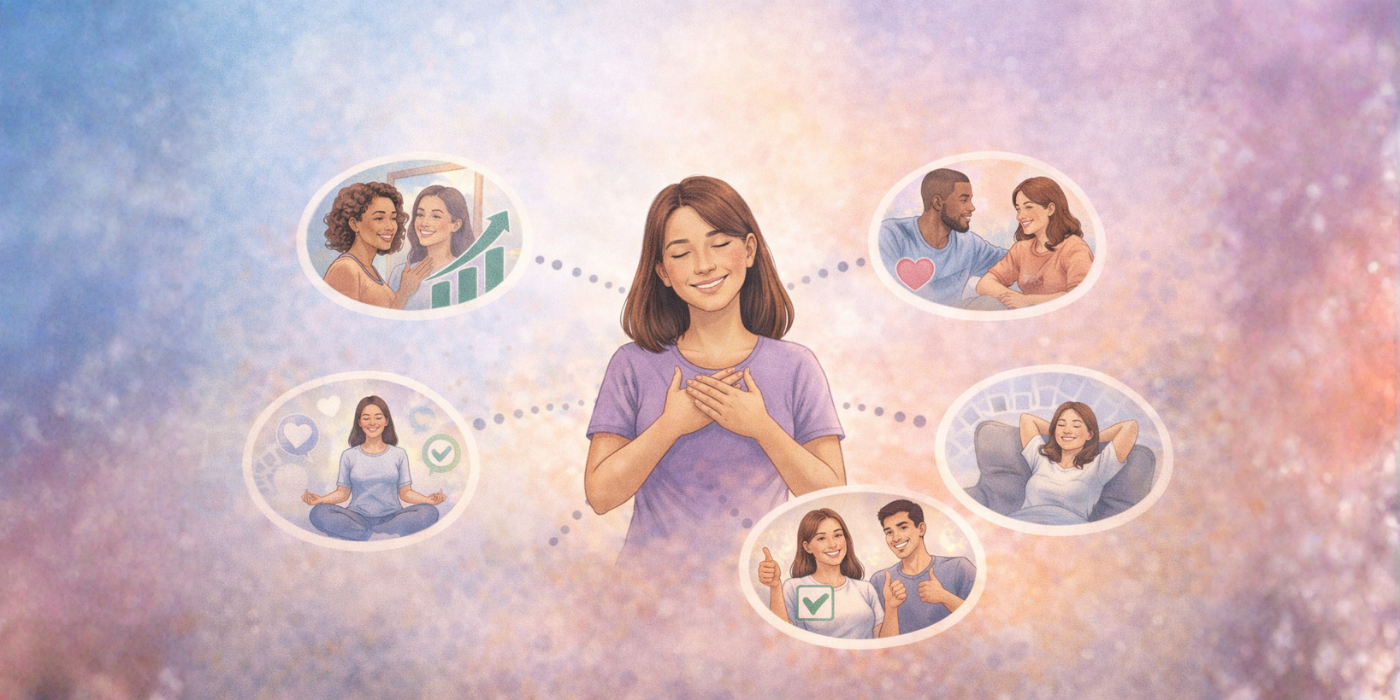
When you build a strong relationship with yourself, you will notice positive changes:
Increased confidence and self-worth
Better emotional control
Healthier relationships
Clear decision-making
Reduced stress and anxiety
You begin to feel more stable, secure, and fulfilled.
Common Mistakes to Avoid
While working on your self-relationship, avoid these mistakes:
Comparing yourself to others
Being too hard on yourself
Ignoring your emotions
Expecting instant results
Growth takes time, patience, and consistency.
Final Thoughts
Building a healthy relationship with yourself is one of the most powerful investments you can make in your life.
When you understand, accept, and support yourself, everything else starts to improve — your confidence, your decisions, and your relationships.
Remember, the way you treat yourself teaches others how to treat you.
Start small, stay consistent, and be patient with your journey.
Start building a healthier relationship with yourself today by using our Solo Dates Journal.
This Journal provides you with weekly activities to help you reconnect yourself. The relationship you have with yourself shapes every part of your life. Give yourself the time and space to reconnect, reflect, and grow with the Solo Dates Journal.
Explore our full collection of journals and self-growth resources to find the tools that best support your healing and personal development journey, Click here.